

Imagine a symphony of creamy, sweet coconut milk dancing with tender, chewy rice, all brightened by the juicy burst of ripe mango. This classic Thai Mango Sticky Rice dessert isn’t just food; it’s an experience for your taste buds.
My first encounter with this culinary masterpiece was years ago, on a particularly humid evening when I mistakenly thought a “light dessert” meant a single scoop of sorbet. Oh, how delightfully wrong I was, and my life (and dessert standards) have never been the same since!
Why You’ll Love This Recipe
This delightful dish offers an easy preparation process that belies its sophisticated taste, making it perfect for home cooks eager to explore new flavors without culinary acrobatics. Its unique flavor profile perfectly balances sweet, subtly salty, and tangy notes, creating an unforgettable sensory experience. The stunning appearance, with vibrant mango slices contrasting the glossy white rice, makes it a feast for the eyes, ideal for impressing guests. Plus, while classic, its simple elegance means it pairs wonderfully with various main courses, offering a refreshing end to any meal.
Ingredients
Here’s what you need for this delicious dish:
- **Glutinous Rice (Sticky Rice)** This is the star ingredient that gives Thai Mango Sticky Rice its signature chewy, “sticky” texture. It’s crucial for absorbing the rich coconut sauce and creating that delightful mouthfeel.
- **Full-Fat Coconut Milk** Divided for different stages, this ingredient is the creamy heart of the dish, infusing the rice with luxurious sweetness and providing the rich sauce that elevates the flavor. Do not skimp on full-fat for the best results!
- **Granulated Sugar** The sweet whisper that balances the flavors, dissolving into the coconut milk to create that perfectly sweet and comforting base.
- **Salt** Just a touch, this tiny hero works wonders by enhancing all the other flavors, preventing the dessert from being overly sweet and adding a subtle depth.
- **Ripe Mangoes (such as Ataulfo or Alphonso)** For a truly perfect Thai Mango Sticky Rice, these juicy, sweet, and fragrant mangoes are indispensable, offering a vibrant, tropical counterpoint to the rich rice. Their natural sweetness is key.
- **Toasted White Sesame Seeds** A simple garnish that adds a delicate nutty finish and a pleasing textural contrast to the soft rice and smooth mango.
The complete ingredient list, including quantities, can be found directly under the recipe card.
Mastering the Art of Thai Mango Sticky Rice
Making a perfect Thai Mango Sticky Rice might sound intimidating, but I promise you, with these straightforward steps, you’ll be serving up this delightful dessert like a seasoned pro in no time. Forget the guesswork and embrace the joy of creating something truly special.
Preparing Your Sticky Rice for Perfection
The journey to a truly magnificent sticky rice begins long before it hits the steamer. First, gather 1.5 cups of glutinous rice (also known as sticky rice). Rinse this thoroughly under cold water until the water runs completely clear. This step is vital for removing excess starch, which helps achieve the ideal texture. Once rinsed, place the rice in a large bowl, cover it with at least 2 inches of cold water, and let it soak for a minimum of 4 hours. For the absolute best results and a truly tender rice, I highly recommend soaking it overnight. Patience, my friends, is a virtue, especially when aiming for perfect Thai Mango Sticky Rice. This crucial soaking process allows the rice grains to hydrate fully, ensuring they cook evenly and become beautifully translucent when steamed.
Steaming the Rice to Tender Excellence
After its long, refreshing soak, drain the glutinous rice exceptionally well. You want it to be free of excess water. Next, prepare your steamer. Line the steamer basket with either cheesecloth or a banana leaf. This prevents the rice from sticking to the basket and allows for even steaming. Carefully spread the drained rice evenly in the lined steamer basket. Now, place the steamer basket over rapidly boiling water. Steam the rice for 20-25 minutes, or until each grain is tender and has a lovely translucent appearance. Keep an eye on the water level in your pot to ensure it doesn’t boil dry during the steaming process. This step is where the rice transforms into that wonderfully soft and sticky base for our beloved Thai Mango Sticky Rice.
Crafting the Silky Coconut Sauce
While your rice is happily steaming away, it’s time to prepare the luscious coconut sauce that will infuse our sticky rice with its characteristic sweetness and creaminess. In a small saucepan, combine 1 cup of full-fat coconut milk, 1/2 cup of granulated sugar, and 1/2 teaspoon of salt. Heat this mixture over medium-low heat, stirring constantly. The key here is to keep stirring until the sugar and salt are fully dissolved into the coconut milk. A critical note: do not boil the sauce. Gently heating it just until the solids dissolve prevents the coconut milk from separating, ensuring a perfectly smooth and rich consistency. Once dissolved, remove the saucepan from the heat. This rich, sweet, and subtly salty sauce is what brings the “perfect” to our Thai Mango Sticky Rice.
Infusing the Rice with Coconut Goodness
The moment your rice finishes steaming, it’s time for the magical transformation. Carefully transfer the hot, steamed rice into a large bowl. Next, pour approximately 3/4 of the warm coconut sauce you just prepared over the rice. With a gentle hand, stir the rice to combine it thoroughly with the sauce, making sure every grain is beautifully coated. Avoid aggressive stirring, which can break the delicate grains. Once combined, cover the bowl and let it sit for 15-20 minutes. This resting period is absolutely essential; it allows the rice to fully absorb the fragrant sauce, becoming incredibly sticky, glossy, and bursting with flavor. This absorption is what truly makes a perfect Thai Mango Sticky Rice.
Preparing the Tropical Mangoes
The vibrant, juicy counterpoint to our sweet sticky rice needs to be just right. Just before you’re ready to serve this delightful dessert, peel and slice two ripe mangoes. For the best flavor and texture, I highly recommend using very ripe, sweet mangoes such as Ataulfo or Alphonso varieties. Their buttery texture and intense sweetness are unparalleled and make all the difference in achieving a truly perfect Thai Mango Sticky Rice. Take your time with the peeling and slicing; presentation is part of the fun!
Assembling and Serving Your Masterpiece
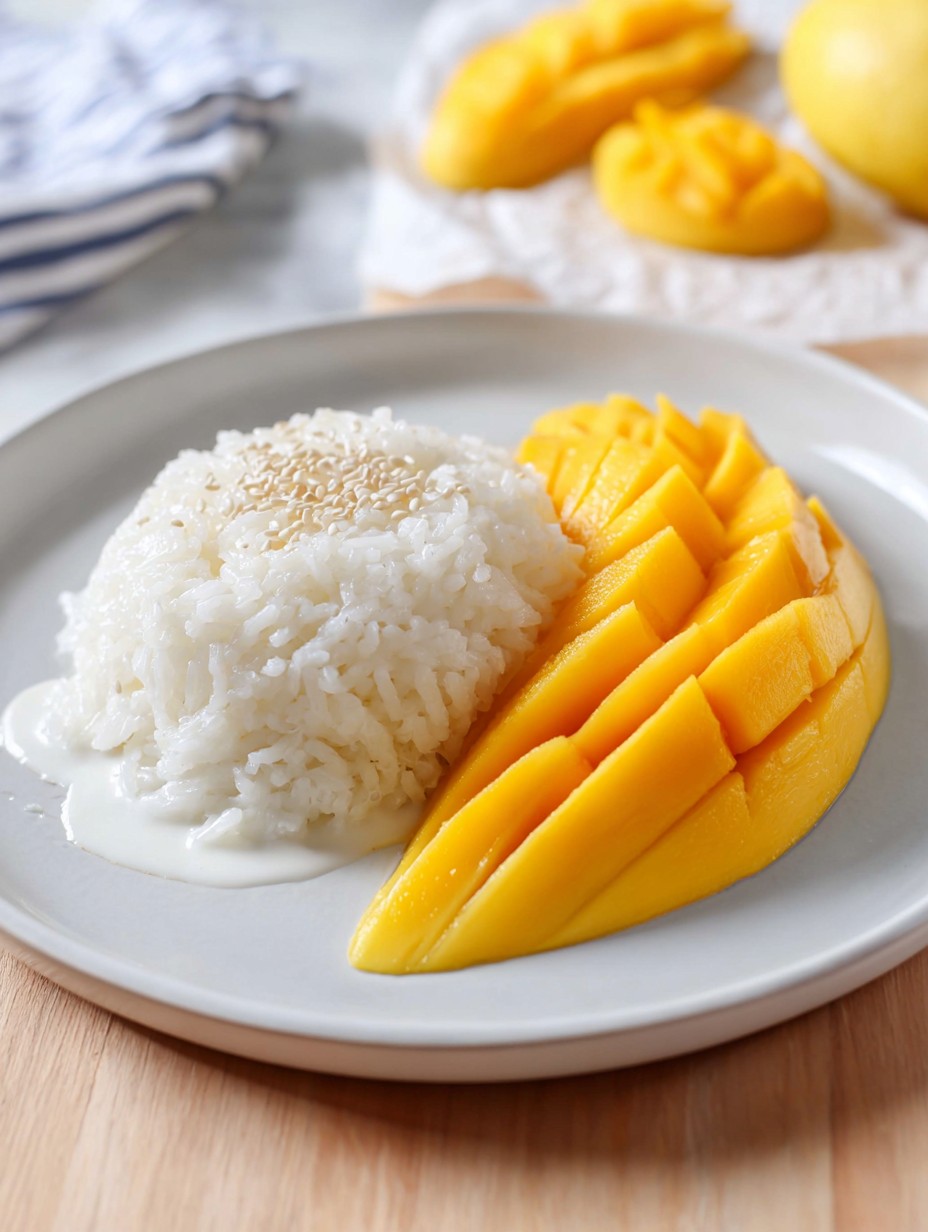
Now for the grand finale! To serve your exquisite Thai Mango Sticky Rice, scoop a generous portion of the sweet sticky rice onto a plate. Arrange the fresh mango slices elegantly alongside the rice. For an extra touch of indulgence and flavor, drizzle the remaining coconut sauce over both the mango and the rice. Finally, sprinkle with 1 tablespoon of toasted white sesame seeds. Toasting sesame seeds briefly in a dry pan over medium heat enhances their nutty flavor, adding a delightful crunch. Serve immediately to enjoy the harmonious blend of warm, sweet rice and cool, juicy mango. This is how to make perfect Thai Mango Sticky Rice a memorable experience!
Tips for a Truly Perfect Thai Mango Sticky Rice
Achieving dessert nirvana with this classic Thai treat is wonderfully simple, but a few expert tips can elevate your experience from good to utterly unforgettable. For the best flavor, selecting the right mangoes is paramount. Always opt for very ripe, sweet varieties such as Ataulfo or Alphonso; their succulent flesh and intense sweetness are perfectly balanced by the rich sticky rice. You can usually tell a mango is ripe by its fruity aroma near the stem and a slight give when gently squeezed.
When preparing the coconut milk sauce, remember the golden rule: do not overcook it. Simply heat the mixture of coconut milk, granulated sugar, and salt over medium-low heat, stirring constantly until the sugar and salt are fully dissolved. Boiling the sauce can cause the coconut milk to separate, which, while not a disaster, won’t give you that beautifully smooth, emulsified texture we’re aiming for. A gentle simmer is all it needs to reach its flavorful potential.
One of the great advantages of Thai Mango Sticky Rice is its flexibility regarding preparation time. The sticky rice can actually be prepared a few hours in advance. Once it has absorbed the coconut sauce, simply cover the bowl and keep it at room temperature until you’re ready to serve. This makes it an ideal dessert for entertaining, as you can do much of the heavy lifting ahead of time, leaving just the mango peeling and assembly for the last minute. This allows you to serve a fresh, delicious dessert without feeling rushed.
Don’t underestimate the power of a simple garnish! Toasting the sesame seeds briefly in a dry pan over medium heat before sprinkling them over your finished dish makes a huge difference. The gentle heat brings out their inherent nutty flavor, adding an extra layer of aroma and a delightful subtle crunch that contrasts beautifully with the soft rice and smooth mango. It’s a small step that adds a significant enhancement to the overall experience of how to make perfect Thai Mango Sticky Rice.
Why This Dessert is More Than Just a Treat
Thai Mango Sticky Rice is more than just a sweet ending to a meal; it’s a celebration of simple, wholesome ingredients transformed into something extraordinary. The harmonious blend of textures—from the tender, chewy rice to the silky coconut sauce and the luscious, smooth mango—creates an incredibly satisfying experience. Each bite delivers a burst of tropical sweetness, followed by the comforting richness of coconut, all subtly enhanced by a touch of salt. It’s a dish that evokes warmth and exotic locales, bringing a taste of Thailand right to your kitchen.
This dessert is also incredibly adaptable to your preferences. While the classic presentation with fresh mango slices is timeless, feel free to experiment with the garnishes. A few sprigs of fresh mint can add a refreshing counterpoint, or a sprinkle of toasted coconut flakes could intensify the tropical notes. The beauty of this recipe lies in its simplicity and the quality of its components. Learning how to make perfect Thai Mango Sticky Rice provides a fundamental understanding of balancing flavors and textures that you can apply to other culinary adventures. It’s a delightful entry point into the world of Thai desserts, promising an experience that is both comforting and exhilaratingly fresh.
Nutrition Snapshot
For those curious about the nutritional aspects of this delicious treat, here’s a quick overview based on a single serving:
- Calories: 480
- Protein: 5g
- Carbs: 85g
- Fat: 18g
This information is based on 4 servings, ensuring you can enjoy your portion of this exquisite dessert while keeping track of your dietary intake. Learning how to make perfect Thai Mango Sticky Rice means you also understand what goes into it!
Final Thoughts on Your Thai Mango Sticky Rice Journey
You’ve embarked on a wonderful culinary adventure, and I hope this guide helps you create your most perfect Thai Mango Sticky Rice yet. It’s a dessert that truly captures the essence of Thai cuisine: vibrant, flavorful, and incredibly satisfying. The simple act of combining sweet, sticky rice with creamy coconut sauce and fresh, ripe mango is a testament to how humble ingredients can create an unforgettable dish.
Remember, the key to success lies in quality ingredients and careful execution of each step. From the overnight soak of the glutinous rice to the gentle heating of the coconut sauce and the final flourish of toasted sesame seeds, every detail contributes to the overall perfection. So go forth, embrace the sweetness, and share this wonderful dessert with friends and family. It’s more than just a recipe; it’s an invitation to savor a moment of pure, unadulterated deliciousness. Enjoy mastering how to make perfect Thai Mango Sticky Rice, and prepare for endless compliments!
Improving the Cooking Method
Achieving ideal textures for this dessert is all about timing. Soak your glutinous rice ahead of time, ensuring even cooking. Prepare the warm coconut sauce while the rice steams, removing it from heat once the sugar dissolves to prevent separation. This synchronicity ensures both components are ready to combine beautifully, creating a perfect sticky dessert.
Decorate Your Dish with Your Personal Touch
To personalize this dessert, explore other wonderfully ripe, sweet mango varieties if Ataulfo or Alphonso aren’t available. For the garnish, a mix of toasted black and white sesame seeds adds visual flair. Adjusting the salt slightly also lets you fine-tune your ideal sweet-salty balance.
Smart Tips for Storage and Reheating
To maintain exquisite textures, store the sweet sticky rice covered at room temperature for a few hours. Crucially, keep sliced mangoes separate until serving. Combine rice, fresh mango, coconut sauce, and toasted sesame seeds only just before enjoying for peak freshness and that perfect harmonious bite.
Practical Chef Advice
My first bite of this amazing dessert in Bangkok was pure bliss. The warm, sweet rice, cool mango, and creamy sauce created a memory that still transports me to that vibrant street.
Final Thoughts
Bringing this culinary journey to a close, you now possess the knowledge to recreate a truly special dessert. The exquisite blend of tender, sweet glutinous rice, rich coconut cream, and succulent fresh mango creates an unforgettable sensory experience. This delightful dish offers a perfect balance of textures and flavors, making it a fitting conclusion to any meal or a wonderful stand-alone treat. Mastering how to make perfect Thai mango sticky rice is a rewarding endeavor, promising joy with every sweet, creamy bite. Don’t hesitate—gather your ingredients and experience the magic of this timeless Thai classic in your own kitchen today!
Print
How to Make Perfect Thai Mango Sticky Rice
- Total Time: 50 minutes
- Yield: 4 1x
Description
This classic Thai dessert features tender, sweet glutinous rice infused with a rich coconut milk sauce, served alongside slices of ripe, juicy mango. The dish offers a harmonious blend of sweet and subtly salty flavors, with contrasting textures from the soft, sticky rice and the smooth, succulent fruit. A light sprinkle of toasted sesame seeds adds a delicate nutty finish. The rice is typically steamed, then gently mixed with a warm coconut milk mixture to achieve its characteristic sweetness and creamy consistency.
Ingredients
- 1.5 cups glutinous rice (sticky rice)
- 1 (13.5 oz) can full-fat coconut milk, divided
- 1/2 cup granulated sugar
- 1/2 teaspoon salt
- 2 ripe mangoes (such as Ataulfo or Alphonso), peeled and sliced
- 1 tablespoon toasted white sesame seeds, for garnish
Instructions
- Rinse the glutinous rice thoroughly under cold water until the water runs clear. Place the rice in a large bowl, cover with at least 2 inches of cold water, and let it soak for a minimum of 4 hours, or preferably overnight.
- Drain the soaked rice well. Prepare a steamer by lining the basket with cheesecloth or a banana leaf. Spread the rice evenly in the steamer basket.
- Steam the rice over rapidly boiling water for 20-25 minutes, or until the rice is tender and translucent.
- While the rice is steaming, prepare the coconut sauce. In a small saucepan, combine 1 cup of coconut milk, granulated sugar, and salt. Heat over medium-low heat, stirring constantly until the sugar and salt are fully dissolved. Do not boil. Remove from heat.
- Once the rice is cooked, transfer it to a large bowl. Pour about 3/4 of the warm coconut sauce over the rice. Stir gently to combine, ensuring all the rice is coated. Cover the bowl and let it sit for 15-20 minutes to allow the rice to absorb the sauce and become sticky and glossy.
- Peel and slice the ripe mangoes just before serving.
- To serve, scoop a portion of the sweet sticky rice onto a plate. Arrange the fresh mango slices alongside the rice. Drizzle the remaining coconut sauce over the mango and rice, and sprinkle with toasted sesame seeds.
Notes
For the best flavor, use very ripe, sweet mangoes. Ataulfo or Alphonso varieties are highly recommended.
Do not overcook the coconut milk sauce; simply heat until the sugar dissolves to prevent it from separating.
The sticky rice can be prepared a few hours in advance and kept at room temperature, covered, until ready to serve.
Toasting sesame seeds briefly in a dry pan over medium heat enhances their nutty flavor.
- Prep Time: 20 minutes (plus 4+ hours soaking time)
- Cook Time: 30 minutes
Nutrition
- Calories: 480
- Fat: 18g
- Carbohydrates: 85g
- Protein: 5g
FAQs
Why is it important to soak the glutinous rice for a minimum of 4 hours?
Soaking the glutinous rice is a crucial first step in preparing this dessert. By allowing the rice to soak for at least four hours, or preferably overnight, you ensure that the grains become thoroughly hydrated. This process significantly softens the rice, which is essential for achieving the tender and translucent texture desired after steaming. Proper soaking helps the rice cook evenly and allows it to absorb the sweet coconut sauce more effectively later, resulting in a perfectly sticky and glossy consistency characteristic of authentic mango sticky rice. Skipping or shortening this step would yield rice that is hard or unevenly cooked.
What type of mangoes should I choose for the best flavor, and when is the best time to slice them?
For the most authentic and delicious experience, selecting very ripe and sweet mangoes is key. The recipe specifically recommends using Ataulfo or Alphonso varieties, known for their rich sweetness and smooth, non-fibrous flesh. These types will complement the sticky rice beautifully. It is best to peel and slice the ripe mangoes just before you are ready to serve the dessert. This ensures the mangoes are at their peak freshness, juiciness, and visual appeal, offering a vibrant contrast to the warm, sweet rice.
Why is it crucial not to boil the coconut milk sauce when heating it?
When preparing the coconut sauce for this sweet treat, it’s very important to heat it gently over medium-low heat, stirring constantly, until the sugar and salt are fully dissolved. The instructions explicitly advise against boiling the sauce. Boiling can cause the full-fat coconut milk to separate, leading to an oily texture and a less desirable consistency for the sauce. Maintaining a gentle heat ensures the ingredients emulsify smoothly, resulting in a creamy, cohesive sauce that perfectly coats the sticky rice and enhances its flavor without any unpleasant separation.
Can I prepare the sweet sticky rice component of this dish a few hours ahead of time?
Yes, the sweet sticky rice can certainly be prepared a few hours in advance, which can be helpful for meal planning or entertaining. After the rice has been steamed, combined with the warm coconut sauce, and allowed to sit for 15-20 minutes to absorb the flavors, you can cover the bowl and keep it at room temperature. This allows the rice to maintain its ideal sticky and glossy texture until you are ready to serve. Just before serving, simply peel and slice your fresh mangoes and proceed with drizzling the remaining coconut sauce and garnishing with sesame seeds.