

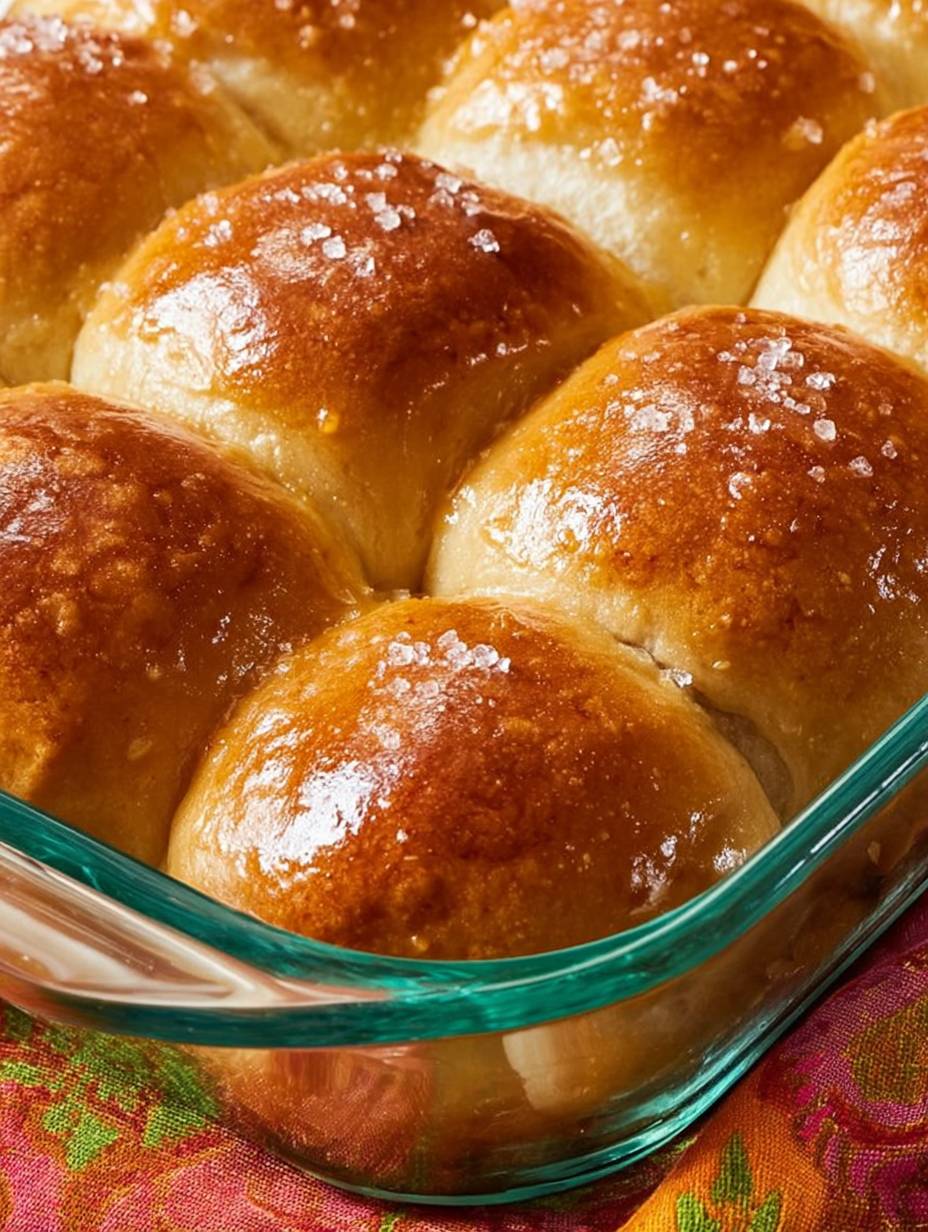
Imagine a cloud-soft interior, melting delicately on your tongue, encased in a whisper-thin golden crust, kissed by just the right amount of savory sparkle. These aren’t just rolls; they’re an experience.
I remember my grandmother’s kitchen, filled with the aroma of baking bread, her hands flour-dusted, humming a tune as she pulled perfectly risen dough from the oven. My attempts, initially, were more akin to edible hockey pucks, but we all start somewhere!
What Makes This Recipe Special
These homemade rolls stand out because they manage to be incredibly simple to prepare, making them perfect for even novice bakers. Their unique flavor profile, a delicate balance of slight sweetness from the dough and a surprising savory pop from the coarse sea salt topping, elevates them beyond mere side dishes. Visually, they are stunning, with a beautifully golden-brown crust and a pillowy texture that promises comfort. Furthermore, these rolls are wonderfully versatile; they complement everything from a hearty stew to a light salad and can even be customized with herbs or garlic, though this recipe keeps it classic for ultimate enjoyment.
Ingredients
Here’s what you need for this delicious dish:
- **3 ½ cups all-purpose flour, plus more for dusting** This foundational ingredient provides the structure for your rolls. Using all-purpose flour ensures a tender crumb, and having extra for dusting will prevent sticking during handling.
- **2 ¼ teaspoons active dry yeast (1 standard packet)** The magic worker behind *The Fluffiest Homemade Rolls with Sea Salt*. This yeast, when properly activated with warm liquid and a touch of sugar, creates the gas that makes your rolls light, airy, and incredibly fluffy.
- **¼ cup granulated sugar** A touch of sweetness not only enhances the flavor of the dough but also provides necessary food for the yeast, helping it activate and rise effectively.
- **1 teaspoon fine sea salt (for dough)** This fine sea salt is crucial for balancing the flavors within the dough, bringing out the natural sweetness and richness without making the rolls taste overtly salty.
- **1 cup warm milk (105-115°F / 40-46°C)** Essential for activating the yeast, the precise temperature of this milk ensures the yeast thrives, leading to the exceptionally light and tender texture of these rolls.
- **½ cup unsalted butter, melted and cooled, plus 2 tablespoons for brushing** Butter adds incredible richness and tenderness to the dough, contributing significantly to the fluffy texture. The additional melted butter brushed on after baking gives a beautiful shine and a soft finish.
- **1 large egg, at room temperature** An egg enhances the richness, color, and structure of the rolls, contributing to their soft crumb and helping achieve that desirable golden crust. Bringing it to room temperature helps it incorporate smoothly into the dough.
- **1 teaspoon coarse sea salt, for topping** This final flourish of coarse sea salt is what truly sets these rolls apart, providing a delightful textural contrast and a burst of savory flavor that complements the slight sweetness of the dough, making each bite memorable.
All ingredients and quantities are listed here for your convenience.
Step-by-Step Instructions
Simply follow these easy steps to prepare this delicious meal:
Step 1: **Activate the Yeast for Fluffy Dough**
To begin your journey to delightful rolls, combine the exact quantity of warm milk, active dry yeast, and one teaspoon of granulated sugar in a large bowl or the bowl of your stand mixer. Stir gently to mix these components. Allow this mixture to sit undisturbed for 5 to 10 minutes until a foamy layer appears on the surface, which is your clear indication that the yeast is active and ready to work its magic, contributing to the ultimate fluffiness of the finished rolls.
Step 2: **Combine Wet Ingredients for Rich Flavor**
Once your yeast mixture is beautifully foamy, signaling its readiness, incorporate the remaining granulated sugar, the fine sea salt for the dough, the pre-melted and cooled butter, and the room-temperature large egg into the same bowl. Mix all these components thoroughly until they are uniformly combined, ensuring an even distribution of flavor and richness throughout the dough for your homemade rolls.
Step 3: **Form the Shaggy Dough**
Now it’s time to introduce the flour. Gradually add the all-purpose flour, one cup at a time, to the wet mixture. If using a stand mixer, mix on a low speed with a dough hook attached. If mixing by hand, incorporate the flour with a sturdy spoon or your hands. Continue until a shaggy dough forms, a consistent texture that indicates the ingredients are beginning to come together.
Step 4: **Knead to Perfection for Tender Rolls**
Increase the speed of your stand mixer to medium-low, or if kneading by hand, transfer the shaggy dough to a lightly floured surface. Knead the dough for 5 to 7 minutes with the mixer, or 8 to 10 minutes by hand, until it transforms into a smooth and elastic consistency. The dough should feel slightly tacky to the touch but not sticky, a perfect sign that it’s developed enough gluten to yield wonderfully soft and fluffy rolls. Remember not to over-knead, as this can make the rolls tough.
Step 5: **First Rise for Doubled Volume**
Lightly grease a clean, separate bowl with a small amount of oil. Transfer the kneaded dough to this prepared bowl, turning it over once to ensure it’s evenly coated in the oil. Cover the bowl securely with plastic wrap or a clean kitchen towel. Place the covered bowl in a warm spot in your kitchen and let the dough rise for 1 to 1.5 hours, or until it has visibly doubled in size, becoming airy and light. This crucial step is key for achieving *The Fluffiest Homemade Rolls with Sea Salt*.
Step 6: **Shape and Second Rise for Puffy Rolls**
Gently punch down the risen dough to release any trapped air. Turn the dough out onto a lightly floured surface. Divide this soft, elastic dough into 12 equal pieces. Take each piece and skillfully shape it into a smooth, round roll. Arrange these perfectly shaped rolls neatly within a lightly greased 9×13 inch baking dish, ensuring a little space between each for expansion. Cover the dish again with plastic wrap or a clean kitchen towel and allow the rolls to rise for a second time in a warm place for 30 to 45 minutes, until they appear puffy and nearly doubled in size once more. This second rise contributes significantly to their final, irresistible fluffiness.
Step 7: **Bake Until Golden Brown**
While your rolls are enjoying their final rise, preheat your oven to 375°F (190°C). Once the rolls have completed their second rise and the oven is ready, place the baking dish into the preheated oven. Bake the rolls for 18 to 22 minutes, or until their tops turn a beautiful golden brown and they are cooked through to a perfect internal temperature of 190-200°F (88-93°C).
Step 8: **Brush and Sprinkle for the Finishing Touch**
Immediately upon removing the rolls from the hot oven, brush the tops of these golden, steaming delights with the remaining 2 tablespoons of melted butter. Then, generously and evenly sprinkle the coarse sea salt over each roll. Serve these warm, irresistible homemade rolls to enjoy their perfect texture and savory finish.
What to Serve with Your Fluffy Rolls
These exceptional homemade rolls are incredibly versatile, making them a superb accompaniment to a wide array of dishes. Imagine them alongside a comforting beef stew, where their soft texture can sop up every last drop of rich gravy. They’re also fantastic with a simple roasted chicken or a hearty vegetable lasagna, adding a homey touch to any dinner. For a lighter meal, pair these delightful buns with a crisp green salad or use them to make mini sandwiches with leftover turkey or roast beef. Their delicate savory-sweet balance means they complement both savory and slightly sweet flavors beautifully. Don’t forget, they’re equally amazing slathered with a little extra butter straight from the oven!
Expert Tips for Perfect Rolls Every Time
Achieving *The Fluffiest Homemade Rolls with Sea Salt* consistently relies on a few key insights. Firstly, always ensure your milk is warm, specifically between 105-115°F (40-46°C). Milk that is too hot will kill the active dry yeast, preventing your dough from rising, while milk that’s too cold won’t activate it effectively. A simple kitchen thermometer is your best friend here. Secondly, pay close attention during the kneading process. The goal is a dough that is smooth and elastic; over-kneading can lead to tough rolls, while under-kneading means they won’t develop that desired fluffy structure. The dough should be slightly tacky but not sticky when properly kneaded. Lastly, patience is a virtue, especially with both rise cycles. Allowing the dough to fully double in size during each rise is critical for the light, airy texture that makes these rolls so irresistible. Resist the urge to rush this process, as it directly impacts the final softness and volume.
Troubleshooting Common Roll Baking Issues
Even seasoned bakers encounter hiccups, so let’s tackle a few common issues you might face on your quest for *The Fluffiest Homemade Rolls with Sea Salt*. If your dough isn’t rising, the most likely culprit is inactive yeast. This could be due to expired yeast or milk that was too hot or too cold. Always check your yeast’s expiration date and use a thermometer for liquids. If your rolls turn out tough, it’s often a sign of over-kneading or using too much flour during the shaping process. Aim for a dough that’s just tacky and use flour sparingly on your work surface. If your rolls are dense, it might mean they didn’t complete their rise cycles fully. Ensure they’re in a warm, draft-free spot and give them the full time stated. Crumbly rolls can sometimes result from an imbalanced dry-to-wet ingredient ratio; double-check your measurements carefully. Don’t get discouraged; every bake is a learning experience, and with these simple fixes, you’ll master these fluffy homemade rolls in no time!
Why Homemade Rolls are Always Better
There’s an undeniable magic that comes from pulling a tray of freshly baked rolls from your own oven. It’s not just about the incredible aroma that fills your home, instantly making it feel cozier; it’s about the superior taste and texture that simply can’t be replicated by store-bought options. Homemade rolls, especially *The Fluffiest Homemade Rolls with Sea Salt*, offer a tender crumb and a perfect crust that often eludes mass-produced versions. You have complete control over the quality of your ingredients, ensuring fresh butter, good flour, and active yeast, all contributing to a product that’s both healthier and infinitely more delicious. Plus, there’s a deep satisfaction in crafting something so comforting and delicious with your own hands. It’s a small act of love, turning simple ingredients into something truly extraordinary for your family and friends.
Storing Your Delicious Leftovers
Should you find yourself with any leftover homemade rolls – a rare occurrence, I assure you – proper storage is key to maintaining their delightful texture. For optimal freshness, store these delicious buns in an airtight container at room temperature. They will remain wonderfully soft and enjoyable for up to 3 days. If you want to extend their life further, they can also be frozen. Wrap individual rolls tightly in plastic wrap, then place them in a freezer-safe bag for up to 2-3 months. To reheat, simply thaw them at room temperature and warm them briefly in a preheated oven at 300°F (150°C) for about 5-10 minutes, or until heated through and soft again. This method will bring back much of their fresh-baked glory, allowing you to enjoy the fluffiest homemade rolls even days later.
Final Thoughts on Your Baking Adventure
Embarking on the journey to create *The Fluffiest Homemade Rolls with Sea Salt* is more than just following a recipe; it’s an experience that brings warmth and joy into your kitchen. From the simple act of combining basic ingredients to the glorious moment when those golden-brown beauties emerge from the oven, every step is a testament to the simple pleasures of home baking. Don’t be intimidated by yeast or the idea of working with dough; this recipe is designed to be straightforward and rewarding. Imagine the smiles around your dinner table as loved ones reach for these tender, savory-sweet creations. These rolls are more than just food; they’re a connection to comfort, tradition, and the satisfying feeling of creating something truly special. So go ahead, tie on that apron, and prepare to fill your home with the irresistible aroma of freshly baked, utterly perfect homemade rolls. Your taste buds, and your family, will thank you.
**Servings: ** 12 rolls
**Nutrition (per roll): **
Calories: 180
Protein: 5g
Carbs: 30g
Fat: 5g
Improving the Cooking Method
For optimal results with these delightful rolls, precision in your timing is key. Ensure your yeast is properly activated and let the dough complete its first rise until truly doubled. This patience ensures a truly soft crumb. Don’t rush the second proofing either; it makes all the difference to achieving truly fluffy rolls.
Decorate Your Dish with Your Personal Touch
While these delicious homemade rolls are perfect as is, you can personalize them. Consider swapping the granulated sugar in the dough for an equal amount of light brown sugar for a deeper sweetness. For the topping, experiment with different coarse sea salts, such as smoked sea salt, or even a blend of dried herbs mixed with the melted butter for brushing.
Smart Tips for Storage and Reheating
To preserve the incredible softness and light texture of these homemade rolls, store them in an airtight container at room temperature for up to three days. For best results when reheating, a quick warm-up in a toaster oven or microwave will bring back their wonderful warmth and tender crumb.
Practical Chef Advice
One crisp autumn morning, the aroma of these baking rolls filled my kitchen, drawing my sleepy neighbors over for an impromptu breakfast. Sharing that warm, savory moment with friends was absolutely unforgettable.
Final Thoughts
These incredible dinner rolls truly transform any meal into a special occasion. Achieving such a wonderfully soft, tender crumb with a perfectly golden crust, highlighted by that delightful sprinkle of coarse sea salt, is incredibly rewarding. Imagine pulling apart a warm roll, the buttery aroma filling your kitchen, knowing you created something so comforting and delicious from scratch. They’re not just bread; they’re a moment of pure culinary joy. Don’t wait—gather your ingredients and experience the magic of baking The Fluffiest Homemade Rolls with Sea Salt today! Your taste buds (and your family) will thank you.
Print
The Fluffiest Homemade Rolls with Sea Salt
- Total Time: 0 hours
- Yield: 12 rolls 1x
Description
These classic dinner rolls offer a delightful balance of soft, tender crumb and a lightly golden, brushed crust. A sprinkle of coarse sea salt on top provides a subtle savory counterpoint to the rich, slightly sweet dough. Baked to perfection, they are a comforting addition to any meal, warm from the oven.
Ingredients
- 3 ½ cups all-purpose flour, plus more for dusting
- 2 ¼ teaspoons active dry yeast (1 standard packet)
- ¼ cup granulated sugar
- 1 teaspoon fine sea salt (for dough)
- 1 cup warm milk (105-115°F / 40-46°C)
- ½ cup unsalted butter, melted and cooled, plus 2 tablespoons for brushing
- 1 large egg, at room temperature
- 1 teaspoon coarse sea salt, for topping
Instructions
- In a large bowl or the bowl of a stand mixer, combine the warm milk, yeast, and 1 teaspoon of granulated sugar. Let it sit for 5-10 minutes until foamy, indicating the yeast is active.
- Add the remaining granulated sugar, fine sea salt, melted butter, and egg to the yeast mixture. Mix until well combined.
- Gradually add the flour, 1 cup at a time, mixing on low speed with a dough hook or by hand until a shaggy dough forms.
- Increase speed to medium-low and knead for 5-7 minutes, or knead by hand on a lightly floured surface for 8-10 minutes, until the dough is smooth and elastic. It should be slightly tacky but not sticky.
- Lightly grease a clean bowl with a little oil. Place the dough in the bowl, turning once to coat. Cover with plastic wrap or a clean kitchen towel and let rise in a warm place for 1 to 1.5 hours, or until doubled in size.
- Gently punch down the risen dough to release air. Turn it out onto a lightly floured surface and divide it into 12 equal pieces. Shape each piece into a smooth, round roll.
- Arrange the rolls in a lightly greased 9×13 inch baking dish. Cover the dish with plastic wrap or a clean kitchen towel and let rise again in a warm place for 30-45 minutes, or until puffy and nearly doubled.
- Preheat your oven to 375°F (190°C).
- Bake the rolls for 18-22 minutes, or until golden brown on top and cooked through.
- Immediately upon removing from the oven, brush the tops of the hot rolls with the remaining 2 tablespoons of melted butter and sprinkle evenly with coarse sea salt.
- Serve warm.
Notes
Ensure your milk is warm, not hot, to properly activate the yeast without killing it.
Do not over-knead the dough; it should be smooth and elastic, but excessive kneading can make the rolls tough.
For the best texture, allow the dough to complete both rise cycles fully.
Rolls are done when they are golden brown and an instant-read thermometer inserted into the center of a roll registers 190-200°F (88-93°C).
Store leftover rolls in an airtight container at room temperature for up to 3 days.
- Prep Time: 30 minutes
- Cook Time: 18-22 minutes
Nutrition
- Calories: 180
- Fat: 5g
- Carbohydrates: 30g
- Protein: 5g
FAQs
Why is the milk temperature crucial for these rolls?
The temperature of your milk is vital for properly activating the active dry yeast, as specified in step 1. The recipe calls for warm milk, specifically between 105-115°F (40-46°C). If the milk is too cold, the yeast won’t activate effectively, leading to a sluggish rise or no rise at all. Conversely, if the milk is too hot, it can kill the yeast, preventing the dough from rising. Ensuring the milk is within this precise temperature range guarantees the yeast can work its magic, giving you beautifully risen and light rolls.
How can I tell if the dough is properly kneaded?
You’ll know the dough for these rolls is perfectly kneaded when it becomes smooth and elastic, as described in step 4. Whether you’re using a stand mixer with a dough hook for 5-7 minutes or kneading by hand for 8-10 minutes, the goal is a texture that is slightly tacky but not sticky. If it feels too sticky, you might need a tiny bit more flour, but be careful not to overdo it. The notes also remind us not to over-knead, as excessive kneading can make the finished rolls tough instead of wonderfully soft.
Why do these rolls require two separate rising times?
These rolls benefit greatly from two distinct rising periods, as detailed in steps 5 and 7. The first rise allows the dough to develop flavor and achieve its initial volume, nearly doubling in size after 1 to 1.5 hours. Punching down the dough then redistributes the yeast and sugars, strengthening the gluten structure. The second rise, after shaping the individual rolls, provides the final lift, making them puffy and light before baking. As the recipe notes emphasize, allowing both rise cycles to complete fully is key for achieving the best, most tender texture in your fluffy homemade rolls.
What’s the best way to know when The Fluffiest Homemade Rolls with Sea Salt are fully baked?
To ensure your rolls are perfectly cooked through and golden brown, as mentioned in step 9, there are a couple of indicators. Visually, they should have a beautiful golden hue on top after baking for 18-22 minutes. For a precise measure of doneness, the recipe notes advise using an instant-read thermometer. When inserted into the center of a roll, it should register between 190-200°F (88-93°C). This internal temperature confirms they are thoroughly baked, guaranteeing that soft, tender crumb you’re aiming for.